Is AI in control?
"If AI eliminates a lot of jobs, who then will be the customers if few people have any money to spend?"
This is a question I keep seeing, and it’s a good question that’s asked with every major tech wave. The worry underneath it is simple:

If work disappears, so does income…
and without income, markets collapse.
Luckily, that’s not quite how these transitions tend to play out. Jobs don’t just vanish all at once, but shift, fragment, and recombine. AI is very good at removing tasks, but not entire economic roles. So instead of no jobs, what we usually get is fewer people needed for certain functions, new roles that didn’t previously exist and one very messy in-between period where things are unstable.
This middle period is where that question feels most real. Plus, if productivity rises, which is the whole promise of AI, we then have to answer a policy question, not a tech question:
How will purchasing power be distributed?
Historically, wages shift into new types of work, governments redistribute, the cost of goods drops, and new ownership models emerge where people own assets instead of just selling their time. If none of those adjust fast enough, then yes, we have a demand problem, which results in a system imbalance where businesses are producing, but too few are buying.
People tend to underestimate the human desire for.... things. Let’s not kid ourselves. People don’t stop wanting things just because production gets easier. If anything, expectations rise. When basics get cheaper, demand moves upward into better experiences, personalization, speed, convenience, status, identity, creativity, and community. This is where new markets form.

As technology makes creation easier…
entirely new markets begin to emerge.
The real question isn’t who will have money. It’s who will have access to value, ownership, and leverage in an AI-shaped economy, and this is where our philosophy around ownership at XP Startup Labs becomes very real. If someone you are only selling your time, you’re more exposed to being replaced, undercut, or simply no longer needed… and that’s exactly the problem we built our company to solve.
If you own systems, assets, audiences, or IP, you benefit from tech advances instead of being replaced.
If we do nothing but sit back and watch it happen, we absolutely could end up in a world where people can’t afford what’s being created, and in transition periods, that’s exactly what tends to happen. But long-term? Economies tend to reorganize around new forms of income, new types of work, and new ways of distributing value, because if people can’t buy, the system breaks, and systems that break are forced to adapt.
Don't get me wrong. The concern surrounding AI and jobs that people are pointing at isn’t flawed thinking. It’s one of the central shifts we’re already beginning to see, and one we’ll continue to face over the next decade. That’s the risk, but there’s another path. People who understand this shift and build leverage through ownership won’t be asking who has money. They’ll be the ones influencing where money flows.
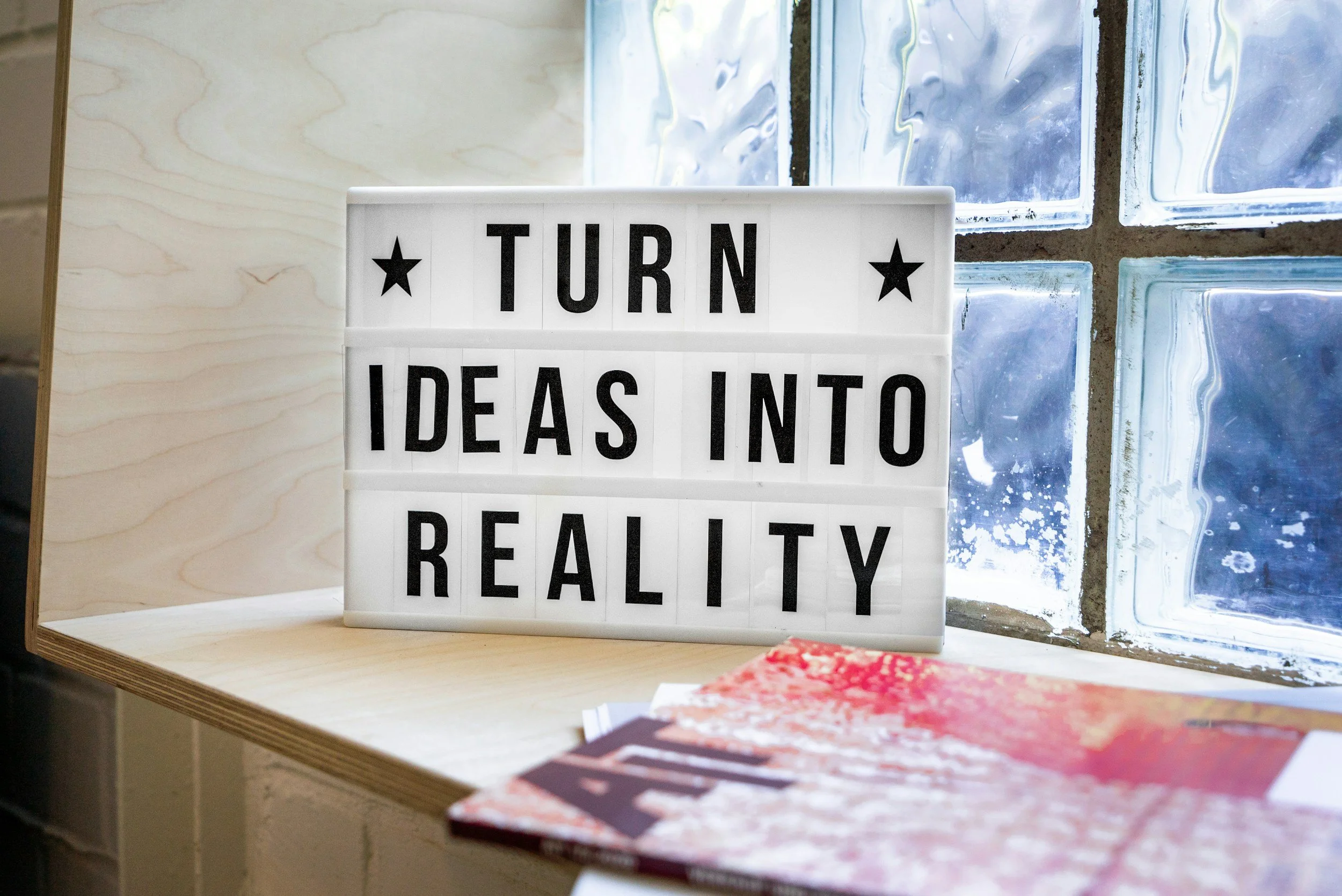
Ideas are powerful…
ownership turns them into reality.
The shift AI is driving in jobs and income isn’t an impending apocalypse, but a reordering of how people earn, spend, and participate in the economy. This is a shift you can prepare for, position for, and even benefit from. To quote a fellow entrepreneur cutting through a dramatic comment section on this topic that I recently came across:
“We don’t have time to waste crying about AI. Start a business!”
If you’re ready to take the path to ownership, join us in the Hyper EXPerience Startup Lab to build, grow, and scale your business, and step into Startup Pro for the kind of community and support that make you 3x more likely to succeed.
Written by Jill Callahan, the Co-Founder and CTO of XP Startup Labs - the #1 Tech Strategist helping
solopreneurs and small businesses use AI, automation, and digital systems to build smarter businesses.